Choosing the Right Metal Name Tags for Your Business
Many Canadian companies rely on durable labelling to keep operations organized. Metal name tags remain a trusted choice for workplaces of every size. They offer long-lasting visibility, professional presentation, and clear identification for staff, equipment, and assets. Whether a warehouse, factory floor, or corporate office, the right tag can improve safety and brand recognition. This guide from Industrial Nameplates explains everything a buyer should know before ordering.

What Are Metal Name Tags?
Clear and durable identification is essential in many Canadian workplaces. Metal name tags are small, sturdy plates used to display names, roles, or asset details. They are typically made from aluminum, stainless steel, or brass. Unlike plastic or paper labels, these labels resist heat, moisture, and daily wear. Many workplaces use them for uniforms, badges, machinery, and storage bins. Their rigid build makes them ideal for environments with rough handling or outdoor exposure.
Common Materials Used
Aluminum is lightweight, affordable, and resistant to rust, making it popular for everyday badges. Stainless steel offers superior strength and works well in harsh industrial settings. Brass provides a polished, upscale look often chosen for reception areas or premium products. Each material affects durability, weight, and overall cost, so buyers should match the choice to their specific working conditions.
Why Businesses Choose Metal Over Plastic
Plastic tags fade, crack, and often need frequent replacement. Metal versions withstand sunlight, chemicals, and constant friction without losing readability. Many facilities managing tools, pipelines, or heavy machinery prefer metal because it holds up under pressure. This reliability reduces reordering costs and keeps identification systems consistent over time.
Understanding Industrial Metal Tags
Effective equipment identification is essential for safe and efficient operations. Industrial metal tags serve a different purpose than simple name badges. They are engineered for asset tracking, safety compliance, and equipment labelling across large facilities. Manufacturing plants, oil sites, and construction companies depend on these labels daily. Proper tagging prevents confusion, supports maintenance schedules, and improves workplace accountability.
Key Features to Look For
Buyers should consider thickness, corrosion resistance, and mounting style before purchasing. Some tags attach with adhesive backing, while others use rivets, chains, or screws. The correct fastening method depends on surface type and exposure to vibration or moisture. Choosing the wrong attachment can lead to lost or damaged labels over time.
Adhesive-backed tags for smooth indoor surfaces
Rivet or screw-mounted tags for outdoor or high-vibration equipment
Applications Across Different Sectors
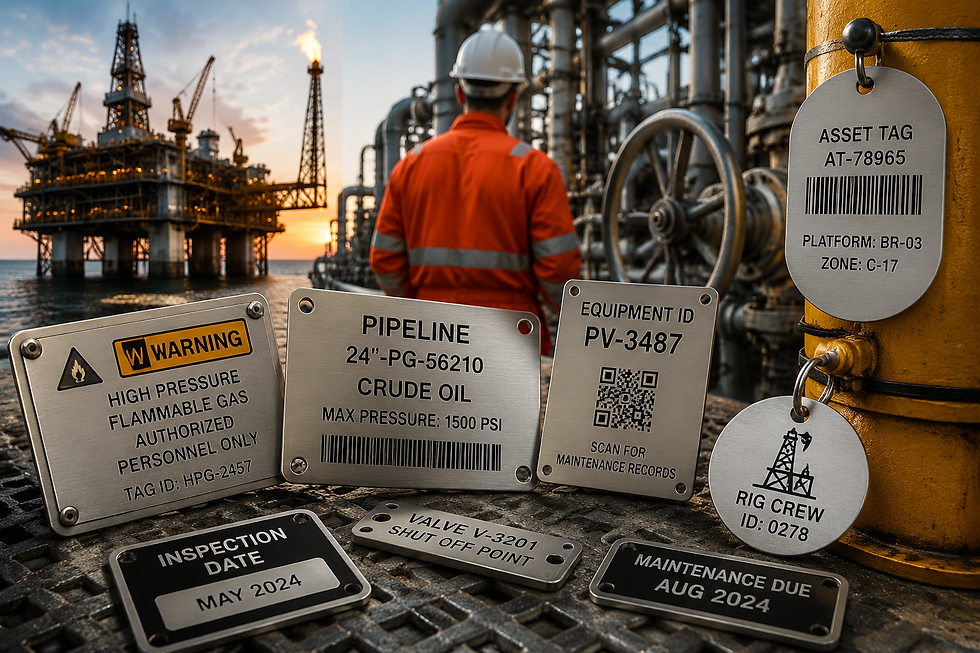
Oil and gas companies use these tags for pipeline labelling and hazard warnings. Warehouses apply them to shelving units and forklifts for inventory control. Hospitals and laboratories rely on similar identification systems for equipment tracking. Construction sites often attach durable tags to tools that face constant outdoor exposure. Industrial Nameplates provides custom identification solutions designed to meet the demanding needs of these industries across Canada.
The Role of Identification Tags in Workplace Safety
Identification labels help supervisors quickly recognize staff, visitors, and equipment status. Clear labelling reduces onboarding confusion and supports faster emergency response. Many provinces encourage visible identification as part of workplace safety practices. A well-organized tagging system also strengthens compliance during audits or inspections.
Improving Accountability and Access Control
Facilities with restricted zones often rely on badge-style identification to manage entry. Security teams can quickly confirm authorized personnel through readable, durable tags. This reduces unauthorized access and supports a safer working environment overall. Metal options resist tampering better than laminated paper alternatives.
Engraved Tags Versus Printed Tags
Engraved labels offer permanent, scratch-resistant text that will not fade over time. Printed labels may look sharp initially but often wear away with handling. Engraved metal tags are especially useful for outdoor equipment exposed to sunlight and rain. Businesses seeking a professional, long-term solution typically favour engraving over standard printing.
Benefits of Engraving for Long-Term Use
Engraving creates a permanent mark that resists fading, peeling, and smudging. This makes engraved tags ideal for machinery, safety equipment, and employee badges. Companies operating in extreme weather especially benefit from this added durability. The process also allows for crisp, professional lettering that supports brand consistency.
Design Considerations for Readability
Font size, contrast, and spacing all affect how easily a tag can be read. Bold, simple fonts work best for quick recognition from a distance. Avoid overly decorative styles that may reduce clarity in low-light settings. Consistent formatting across all tags also improves overall organization and professionalism.
Choosing Custom Metal Tags in Canada
Many organizations prefer custom metal tags in Canada to match specific branding needs. Custom options allow businesses to include logos, colours, and unique shapes. This personalization helps reinforce brand identity across uniforms, equipment, and signage. Local suppliers also understand regional weather conditions that affect material performance.
Factors That Influence Cost
Material choice, tag size, and engraving complexity all influence final pricing. Bulk orders typically reduce the cost per unit for larger organizations. Custom shapes or multi-colour finishes may add a modest premium to standard pricing. Buyers should request samples before committing to large production runs.
Working With a Trusted Supplier
A reliable supplier should offer clear specifications, sample previews, and consistent quality control. Checking reviews and requesting material certifications can help confirm product reliability. Established Canadian suppliers often provide guidance on suitable materials for specific climates. This support reduces guesswork and ensures a smoother ordering experience overall.
How to Select the Right Option for a Business
Selecting the correct tag starts with identifying the primary use case clearly. Indoor office badges require different specifications than outdoor industrial equipment labels. Buyers should also consider expected lifespan, environmental exposure, and required text density. Matching these factors to material and finish ensures better long-term performance.
Aluminum badges for lightweight indoor identification needs
Stainless steel plates for demanding outdoor or industrial conditions
Matching Material to Environment
Coastal or humid regions require corrosion-resistant options like stainless steel or anodized aluminum. Dry indoor environments allow more flexibility, including lighter aluminum or brass finishes. Considering local climate early in the buying process prevents premature wear. This planning step often saves money on future replacements.
Planning for Long-Term Durability
Businesses should think beyond initial appearance and consider years of expected use. Durable tags reduce replacement frequency, saving both time and ongoing expense. Requesting warranty details or material guarantees adds an extra layer of confidence. Long-term planning ultimately supports better budgeting and operational consistency.
Frequently Asked Questions
What materials work best for outdoor use?
Stainless steel and anodized aluminum are ideal for outdoor use. They resist rust, fading, and moisture, making them suitable for harsh weather. Protective coatings can further extend their lifespan.
How long do engraved tags typically last?
Engraved tags can last for many years with minimal fading. Their permanent markings resist scratches, sunlight, and regular wear, making them a durable long-term solution.
Are custom shapes and logos available for orders?
Yes, most suppliers offer custom shapes, sizes, and logo engraving. A production proof is usually provided to confirm the design before manufacturing.
What mounting method suits high-vibration equipment?
Rivets or screws are the best choice for high-vibration equipment. They provide a more secure attachment than adhesive, which may loosen over time.
How should a business choose between aluminum and stainless steel?
Aluminum is a cost-effective option for lighter applications, while stainless steel is better for demanding industrial environments. The right choice depends on the application and conditions.
Can identification tags help with regulatory compliance?
Yes, identification tags support safety and regulatory compliance by clearly labelling equipment and assets. They also help simplify inspections and audits.
Conclusion
Selecting dependable identification solutions supports safety, organization, and professional presentation across many industries. Metal options continue to outperform plastic or paper in durability and readability. Understanding material choices, engraving benefits, and mounting styles helps buyers make informed decisions. A thoughtful approach to labelling ultimately strengthens efficiency and workplace confidence.
Ready to upgrade workplace labelling with durable, professional options built for Canadian conditions? Reach out to a trusted supplier today and request samples suited to specific business needs. Strong identification systems start with the right materials and expert guidance.


Comments